Wednesday, 12 April 2023

Almshouses of South Devon

This post covers some impressive Almshouses in South Devon: specifically in Moretonhampstead, Newton Abbot, Wembury and Plymouth. We start with Moretonhampstead, now owned by the National Trust

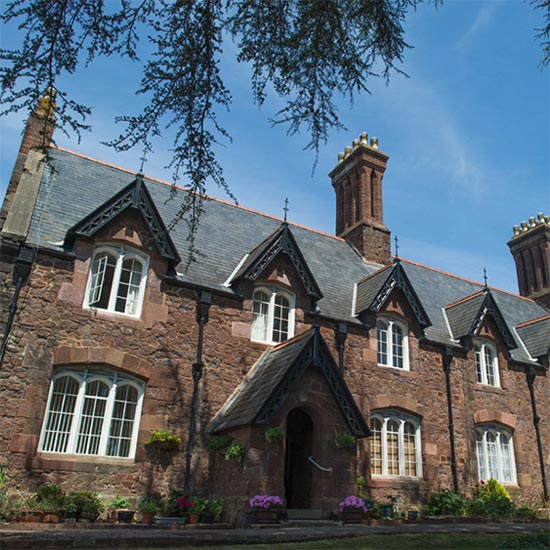
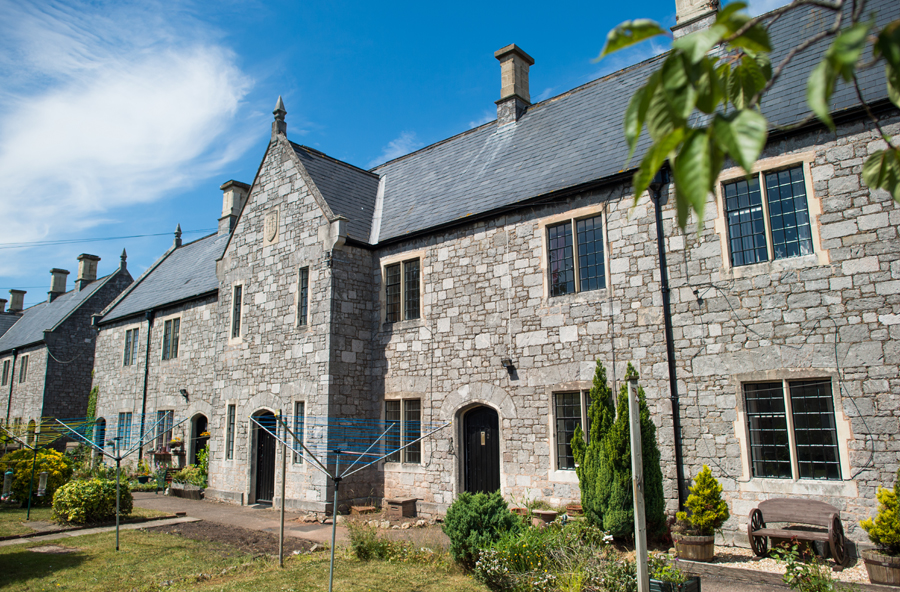
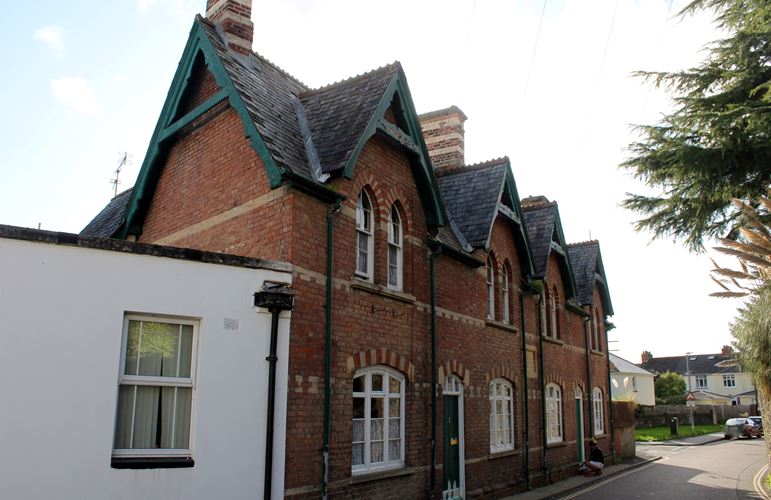
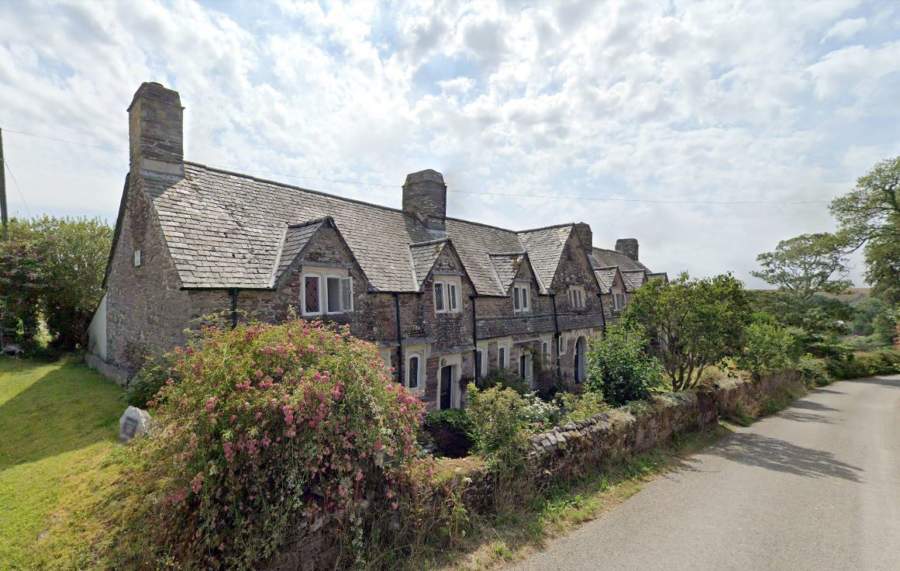
'Recorded as 'new' in 1451, the building was converted into eight almshouses in 1637. Having been used as a poorhouse and private residences during the following centuries, it was given to the National Trust in 1952 and today consists of two cottages. 
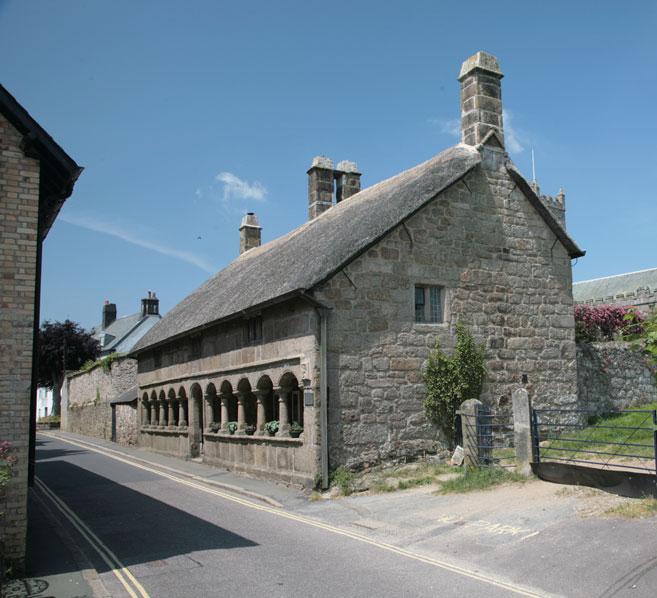
Moretonhampstead Almshouses 

Moretonhampstead 1 and 2 The Almshouses, Moretonhampstead, Dartmoor National Park


The first of the almshouses in Newton Abbot are the Mackrell's Almshouses in Wolborough Street.
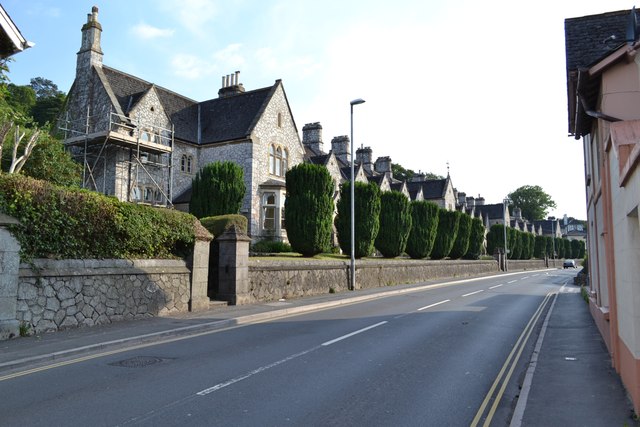
Mackrell’s Almshouses, Wolborough Street, Newton Abbot

(From https://www.geograph.org.uk/photo/4109108) The 40 almshouses were designed by JW Rowell, built in 1874 and extended in 1894.The walls are of Devonian limestone crazy-paving rubble. The slate roof is continuous with moulded rubblestone ridge stacks to party walls. The building is double-depth in plan - there are houses front and back, in similar style. The southwest (right-hand) entrance has an inscription in the tympanum which reads "By the grace of God the Mackrell alms-houses built and endowed by Thomas and Sophia Mackrell, natives of Wolborough were extended by the erection of eight additional dwellings in the year of Our Lord 1894." A similar inscription to the northeast (left-hand) entrance is dated 1874. 

Here is a more detailed view of the Almshouses:
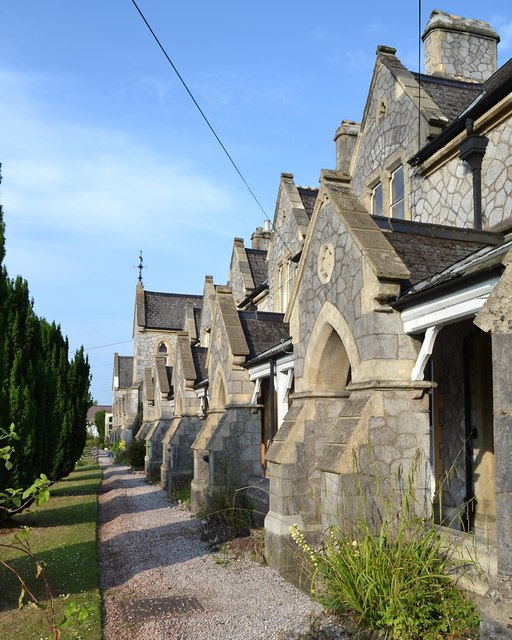
Mackrell’s Almshouses, Wolborough Street, arched entrances to houses


A group of 4 almshouses in 109-115 East Street dating from 1845 are built in a Picturesque Tudor style. Lady Lucy Reynell, wife of the owner of Forde House Torquay Road, originally endowed the almshouses in 1640. She intended them to accommodate priests widows, "the relicts of preaching ministers, left poor, without a house of their own". The original building in Torquay Road was demolished in 1790 and rebuilt in East Street nearer to the town centre. 
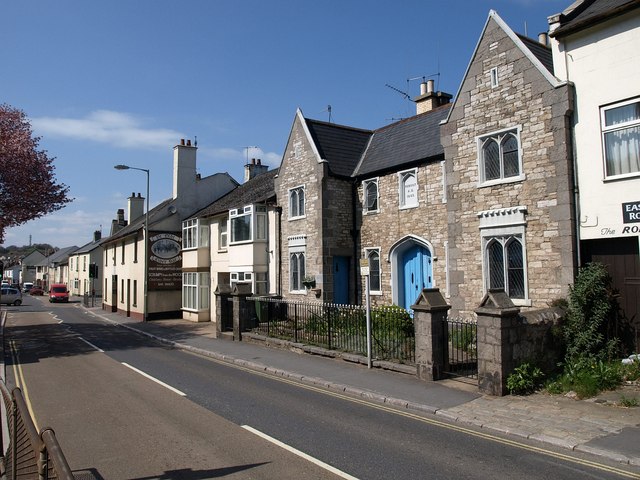
East Street, Newton Abbot


Also in East Street, at 133-147, are the Haymans Almshouses.
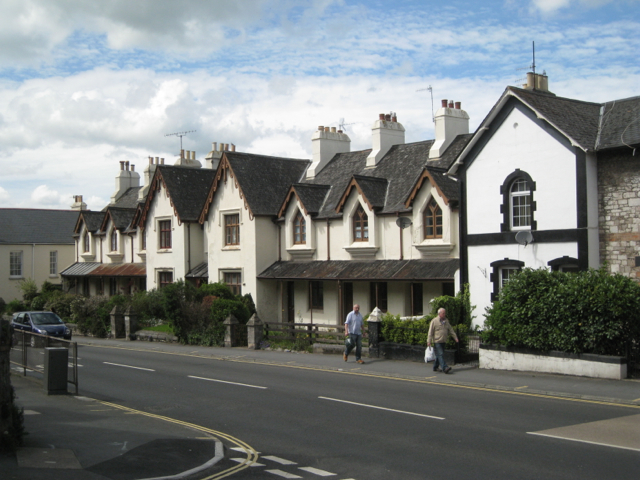
Robert Hayman's almshouses, East Street


They date originally from 1576 when Robert Hayman endowed properties in East Street "for the better maintenance and relief of poor people". These properties included almshouses. They were rebuilt in 1840 as this symmetrical terrace of eight almshouses in what Pevsners calls the Regency Gothic style.

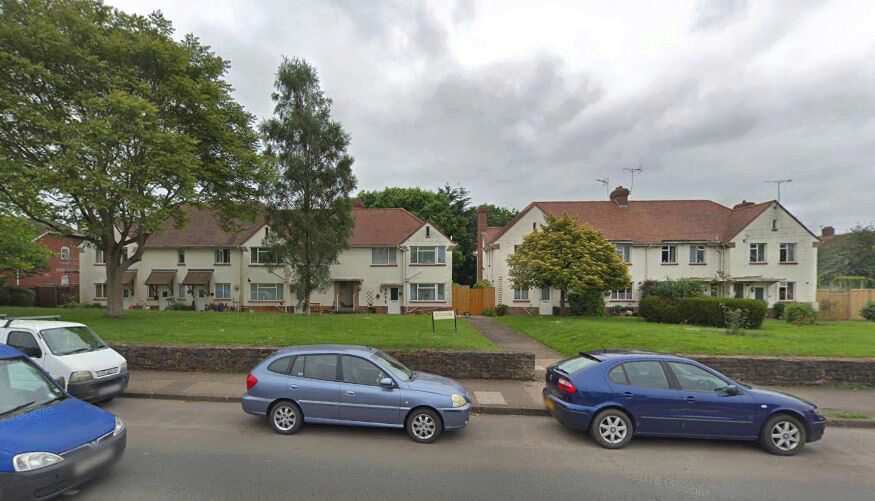
Continuing South west there are two more interesting almshouses. The first are the delightful Sir Warwick Hele's Almshouses in Wembury. They consist of 6 houses: built in 1685 and renovated in 1975. Sir Warwick was the High Sheriff of Devon at the time. Ange I walked past them almost exactly 10 years ago while we were walking the South West Cost Path.


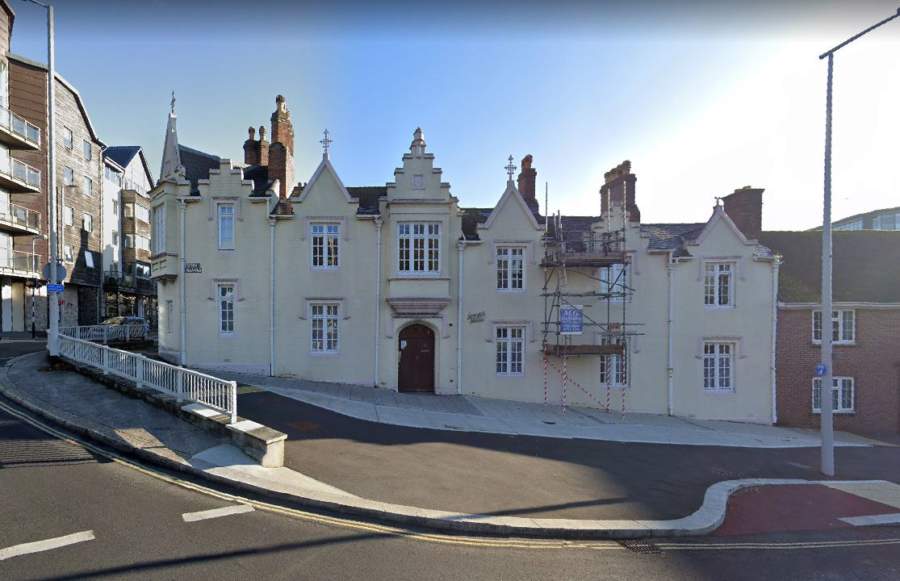
Finally, in Plymouth we reached Lanyon House in Green Street. The original almshouse was built in 1679 with £300 left in a will by John Lanyon, ex Lord Mayor of Plymouth and a Friend of Samuel Pepys. The present almshouses were moved to their site in Green Street in 1868, and renovated in 1977. They are still in use as Almshouses.
 

Finally, a mention for the Pearn Almhouse Trust in Higher Compron, which was funded by a legacy from a local benefactor, Edwin Alonzo Pearn, in 1893. The self-contained accommodation has three separate buildings.


Tuesday, 11 April 2023

Almshouses of Tiverton and East Devon

We begin in Wellbrooke Street in Tiverton where there are Waldron's Almshouses with their adjoining chapel. They date from 1590 and were restored in 1987 (the chapel in 1990). The founder, Thomas Waldron, was a merchant. This area of the town, West Exe, was a centre for weaving and spinning from the early 16th century.


We continues across the Exe and left into St Peter's Street to visit Slee's almshouses, founded by George Slee in 1610 for six single women. The first floor gallery was originally open.


On the left of the almshouses is the Great House of St George, constructed 1603-14 for George Slee apparently after a substantial fire of 1598 which destroyed much of the town.

There are also former almshouses in Barrington St. The plaque reveals that this was "Blagdon's Charity. Destroyed by Fire and rebuilt 1833."

The final main sight, further down Gold St was Greenway's Almshouses, which like Waldron's have an attached chapel. They were founded in 1529. The stonework seems to have been renovated quite recently.There are two further parallel ranges behind dating from 1839 and 1889.

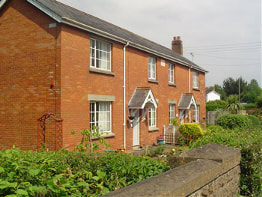
To the east of Tiverton is the Cullompton United Charity who manage a total of 9 Almshouses in the Parish of Cullompton. Below are  a pair of red brick houses known as Grants Homes. 

Picture

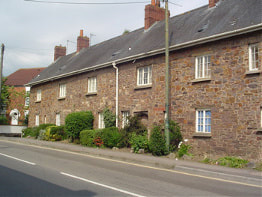
The Higher Street Almshouses consist of six one-bedroom terraced houses.

Picture 

And the final one is a single-person bungalow: Weaver Wood,  

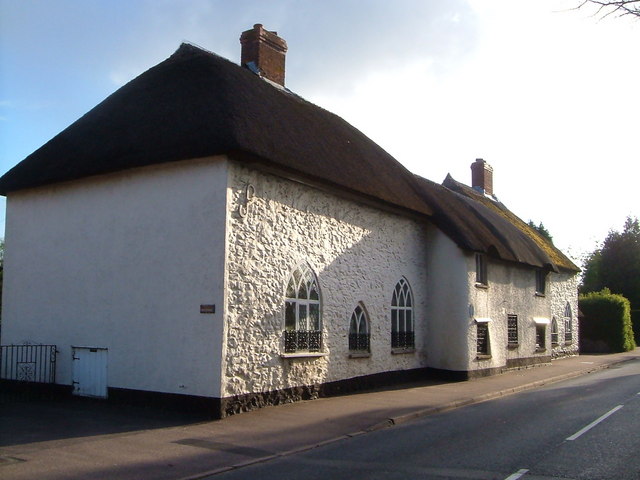
In Honiton, to the south, there seem to be only unclear traces of the St Margaret's almshouses,  Originally it was a leper hospital some distance from the town centre, the cottages were rebuilt as almshouses in the 16th century and then gothicised in the 19th century, presumably as a private house.

St Margaret's Hospital


Monday, 10 April 2023

Almhouses of Exeter 2: The Exeter Homes Trust

The impressive Exeter Homes Trust is one of the largest Almshouse charities in the country. The Charity owns and manages 143 almshouses in 8 locations throughout the city of Exeter. They range from the Victorian period into Edwardian and on to the present day.


 Magdalen Cottages, 19th century, founded 1863


Liberty Dole Cottages, 19th century


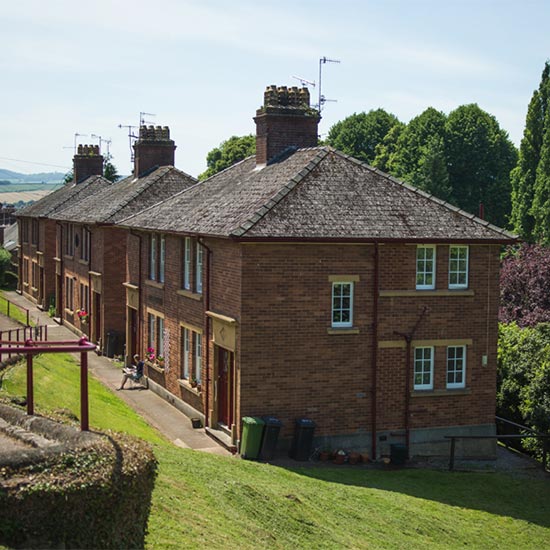
Atwill Palmer, 19th century


Grendon Road, 19th century

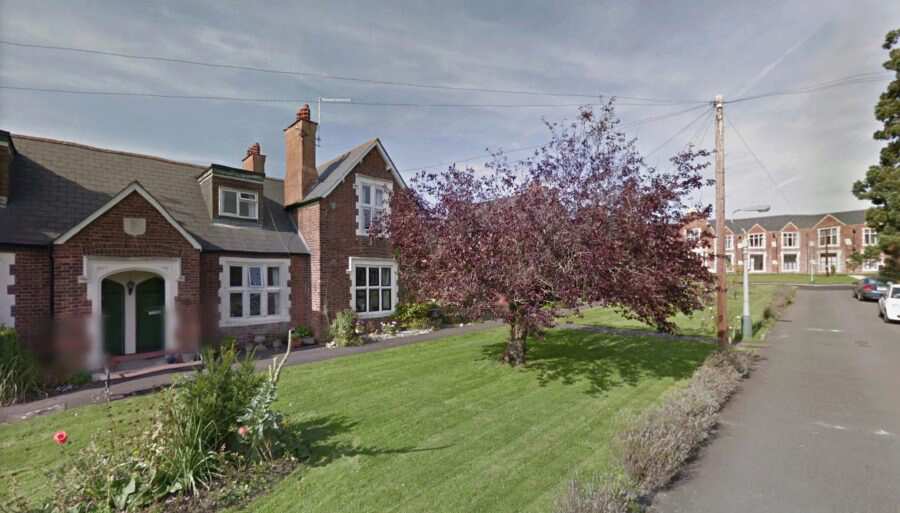
North Park, 20th century

Fair Park, 20th century


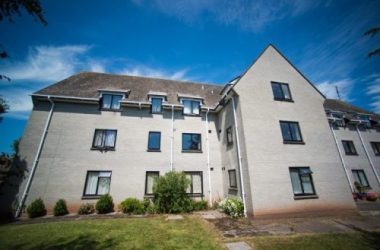
Livery Dole Flats (1980s)


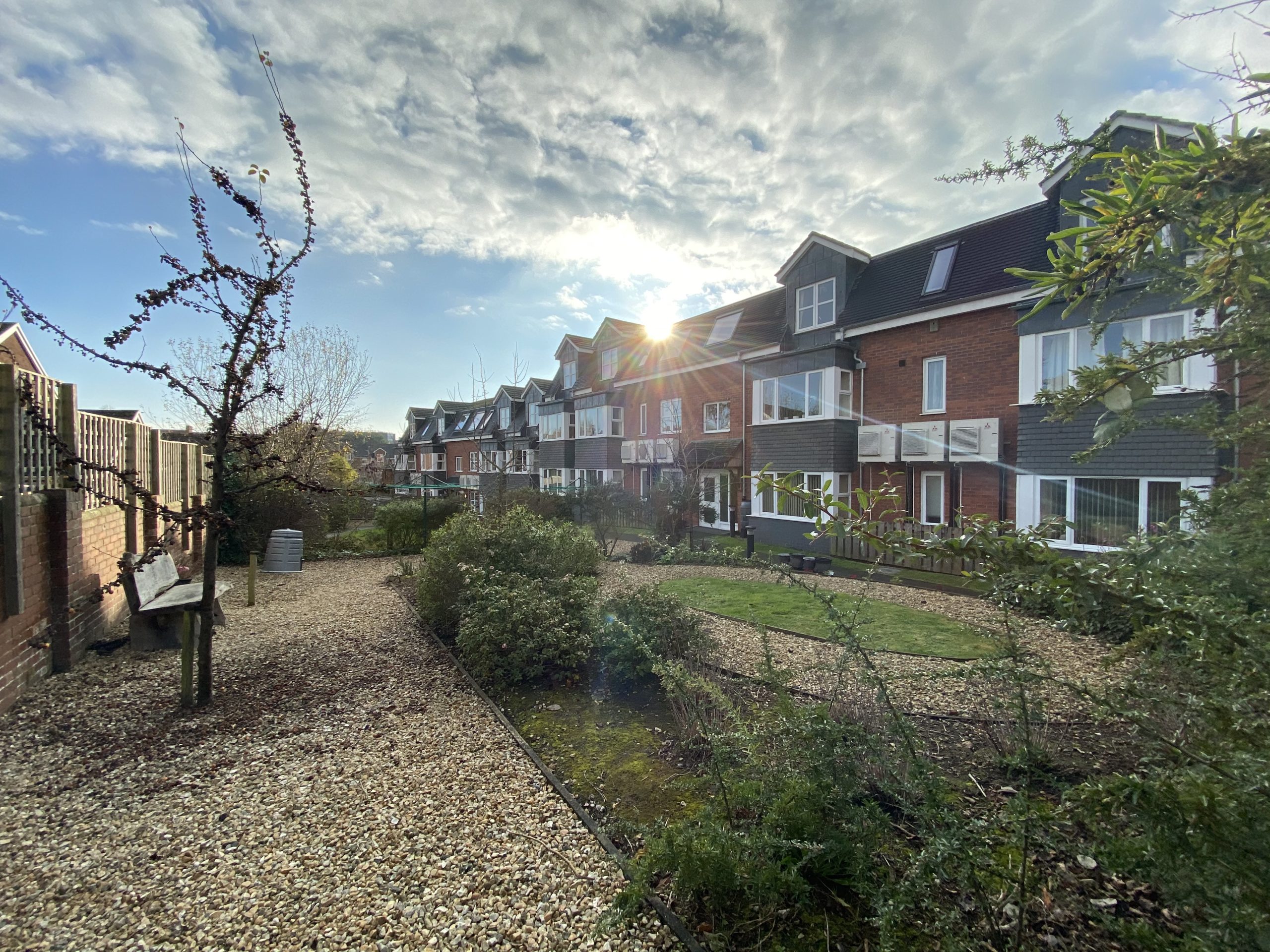
Culverland Road (contemporary)

Saturday, 8 April 2023

Almshouses of Exeter Part 1


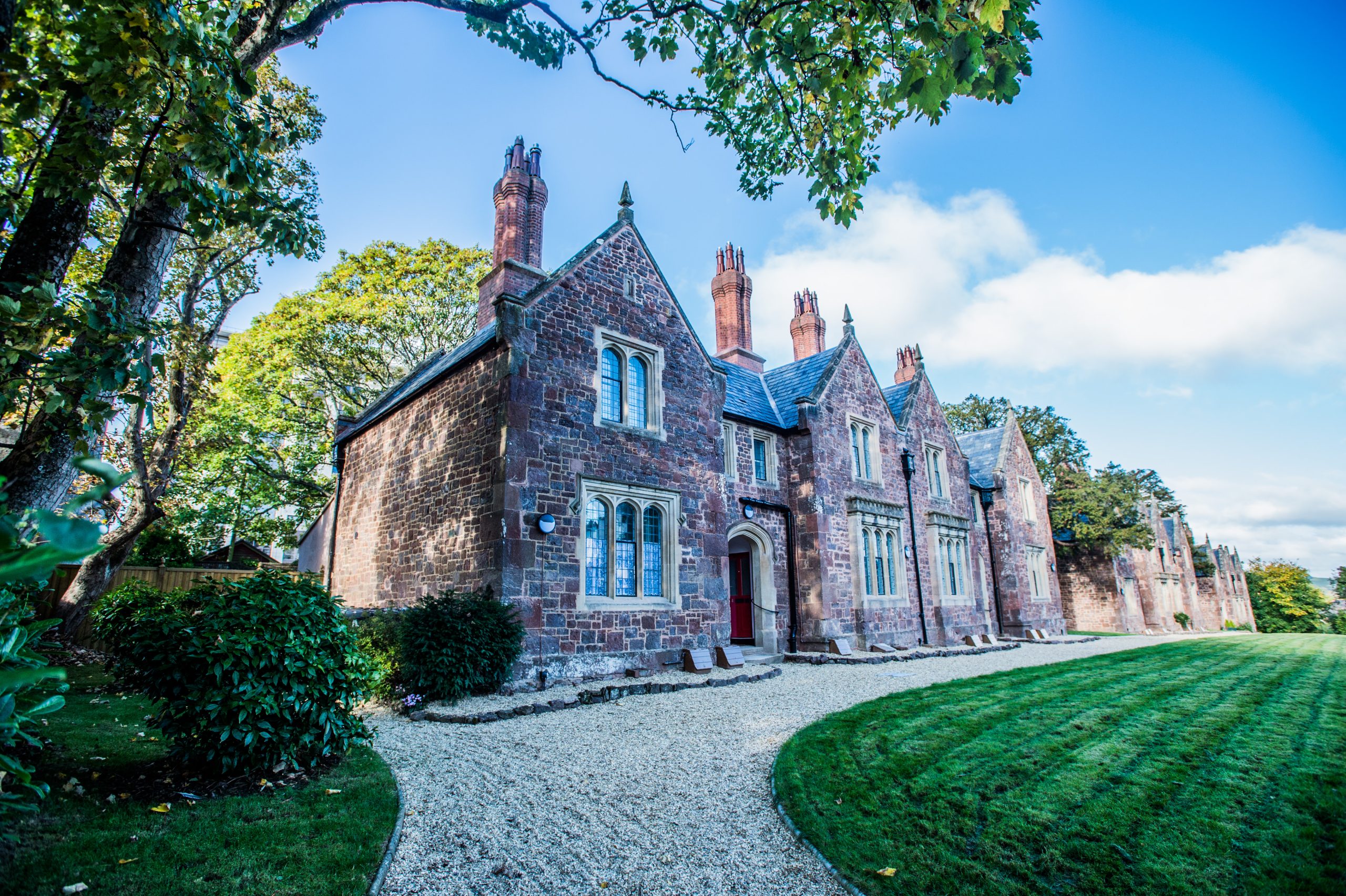
Starting from the Cathedral it is a short walk to Magdalen Street to see Wynard's Almshouses. They date from 1453, but seem to have been rebuilt in 1863 (Pevsner). They make a handsome group. A more detailed account can be found in the Exeter Memories website.

Catherine Street is the the area which suffered the most bomb damage in the second world war. On the right are the ruins of St Catherine's Almshouses (1458) together with St Catherine's Chapel and Canon's house.


In Mount Dinham, also near the centre, are the Mount Dinham Cottages. In 2012 the Mount Dinham Cottage Trust signed a 125 year lease to secure the continuity of the Almshouses which were renovated in 2015.


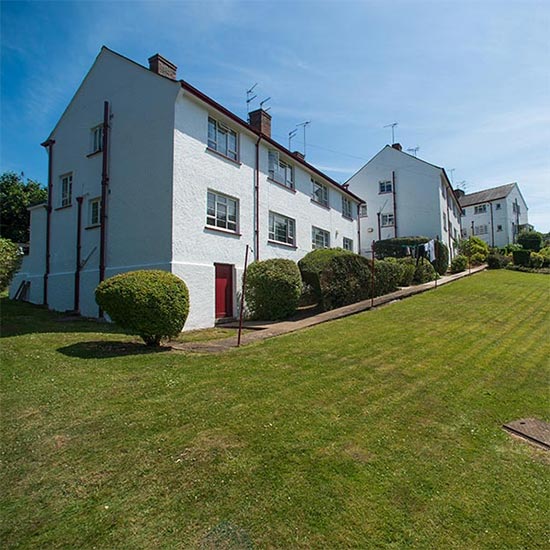
Flaye's Almshouses which can be found on Pinhoe Road in the North East of the City are managed by the Exeter Homes Trust. There are twelve properties: 8 one bedroom flats, generally occupied by single people, and 4 two-bedroom houses.


 In the Pennsylvania area on the west side of the city are the lively Licenced Victuallers' Almshouses built in 1872 by A H Wills.

 File:Licensed Victuallers Almshouses, Union Road, Exeter - geograph.org.uk - 296327.jpg

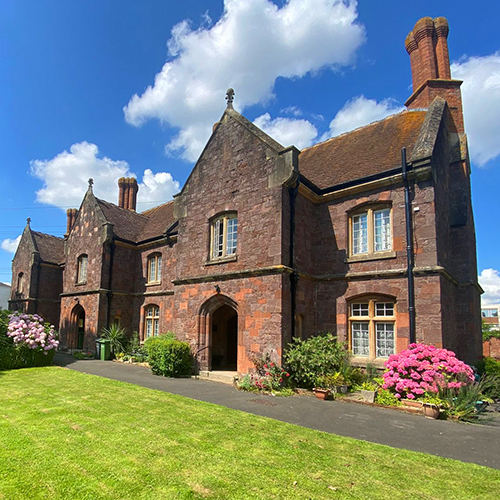
In St. Sidwell’s on the fork between Old Tiverton Road and Blackboy Road is a medieval Chapel and adjacent Almshouses (photo below) beside the St. Anne’s Orthodox Church. Pevsner says that the 16th century Almshouses were restored in 1838; two Tudor style houses were added later by W D Caroe. 

PhotoPhoto


Wednesday, 5 April 2023

Almshouses of Barnstaple

Barnstaple has the unusual distinction of being one of the four defensive towns of Devon in medieval times. Today, it has a impressive number of almshouses.

The first is these is the Penrose almshouses of 1627 are in Litchdon Street. John Penrose was a successful cloth merchant and in 1620 was the Mayor of Barnstaple. On his death in 1624 his will provided for the construction of an Almshouse. They make lovely composition with projecting buildings at the ends joined by a colonade with the main entrance in the middle.

You are welcome to go into the courtyard with a water pump in the middle.

The caretaker is said to be happy to show people the chapel (the right hand building on the street front). The lectern from which the Reader read from the bible to the almsfolk is still present along with a lovely plastered ceiling.

Towards the centre of the town along Trinity Street, passing the Salem Almshouses on the right. They were founded in 1834 by Charles Roberts for 24 men and women. There are three ranges, with the street side left open.

Pilton, once a separate town and is possibly older than Barnstaple itself (according to Pevsner). In Pilton St are the attractive Lower Almshouses dating from 1860.


At the top of the street are the Feoffee Cottages and Church Cottages, a very pretty group with the arch in the centre. They date from 1849. It leads to the church of St Mary, founded in the 12th century and once belonging to Malmesbury Abbey.


The redbrick Lake Almshouses of 1863 are perhaps less attractive.

LAKE ALMSHOUSES, Barnstaple - 1385381 | Historic England


In nearby Bishop's Tawton are the impressive Law Memorial almshouses which have 12 flats and date back to 1885. A central plaque records that they were built "in loving memory of Thomas Shephard Law and of William Henry Law, His Son. By the sorrowing wife and mother".  The fuzzy photo below does not do the almshouses justice.

THE LAW MEMORIAL ALMSHOUSES, Bishop's Tawton - 1317905 ...


Saturday, 25 March 2023

Lanzarote


We enjoyed an enjoyable short holiday in Lanzarote in January and as always I took an array of photos. Unfortunately, when I got home I somehow managed to delete them all with just a few exceptions. I have now decided to create a new version by locating appropriate photos from wherever I can find them.

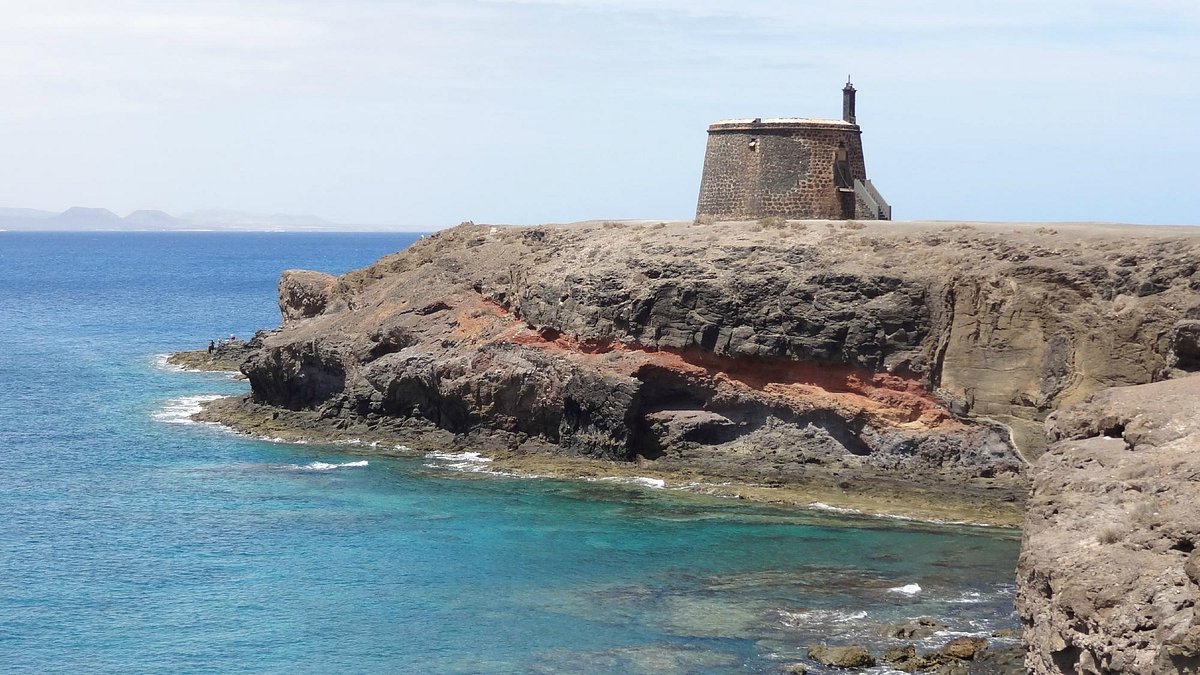
The Castle of las Coloradas, above, is at the far eastern end of the Playa Blanca where we stayed. The fort was designed in 1741 by the engineer Don Claudio de L’Isle. In 1749, it was set on fire by Algerian pirates. In 1767, the engineer Alejandro de los Angeles, raised the fort again. Until 1936 the fort belonged to the army, then to the Ministry of Finance and since 1978 it has been property of the Yaiza Town Hall.

The pictures which follow are sequenced from east to west. We started at the fort and headed back towards the marina, climbing and then descending past a number of whitewashed buildings. This one was once a church, but is now a gallery.

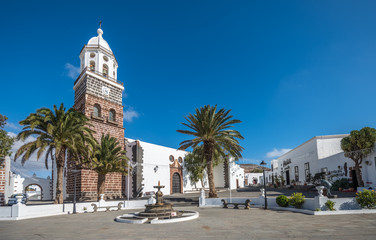
Central square of Teguise town, Lanzarote, Canary Islands, Spain 

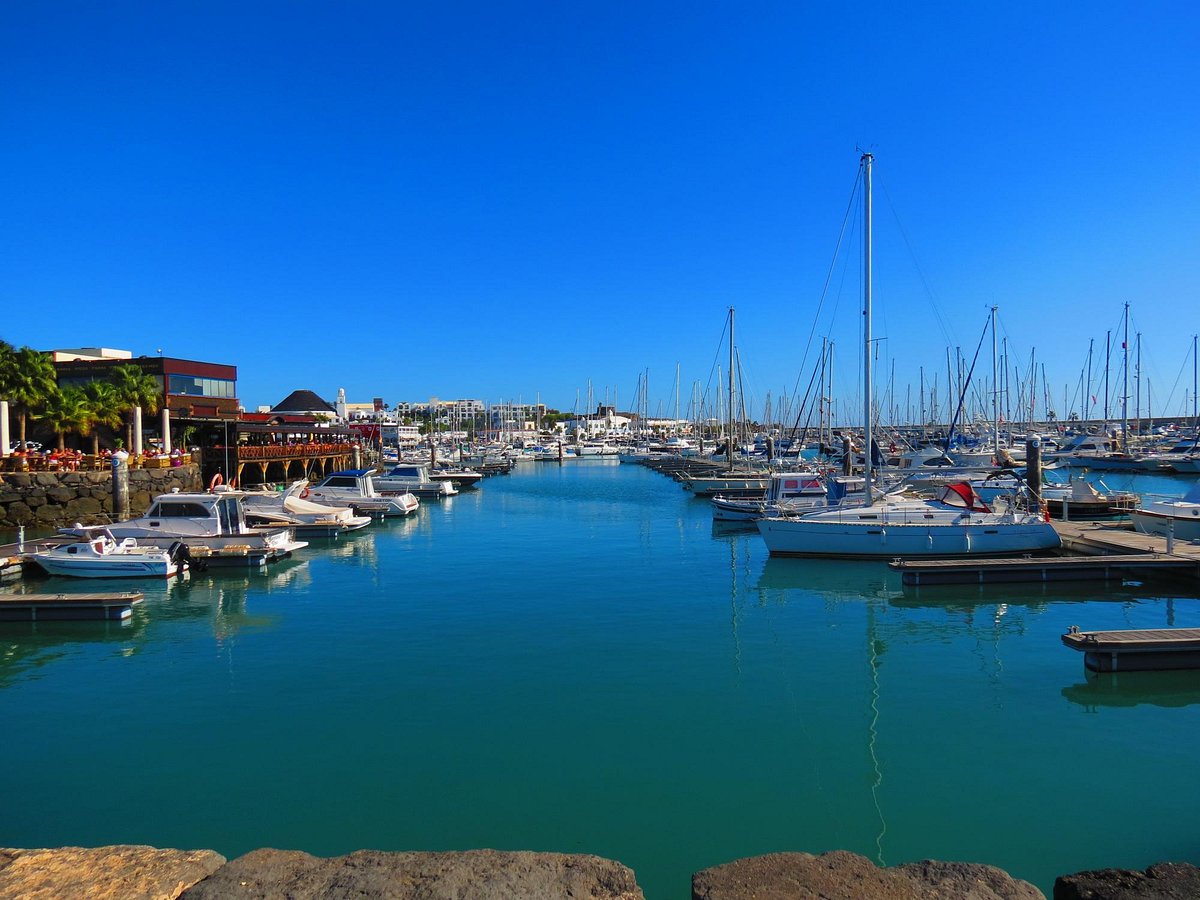
We headed towards the marina. This picture is astonishingly bright. Further mooring areas are out of sight to the right. To the left is a very pleasant restaurant where we enjoyed a couple of nice lunches overlooking the Marina.

Continuing past the end of the marina we continue along the road which become a promenade at the back of the beach.

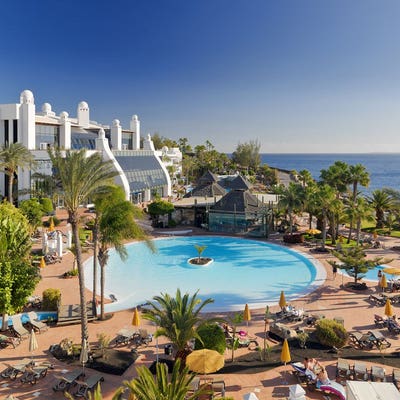
Continuing along the promenade we passed our hotel, which is directly behind the Playa Dorada, one of the relatively few sandy beaches along this stretch of coast. We had heard about the Lighthouse and we inevitably decided to walk there and back. 

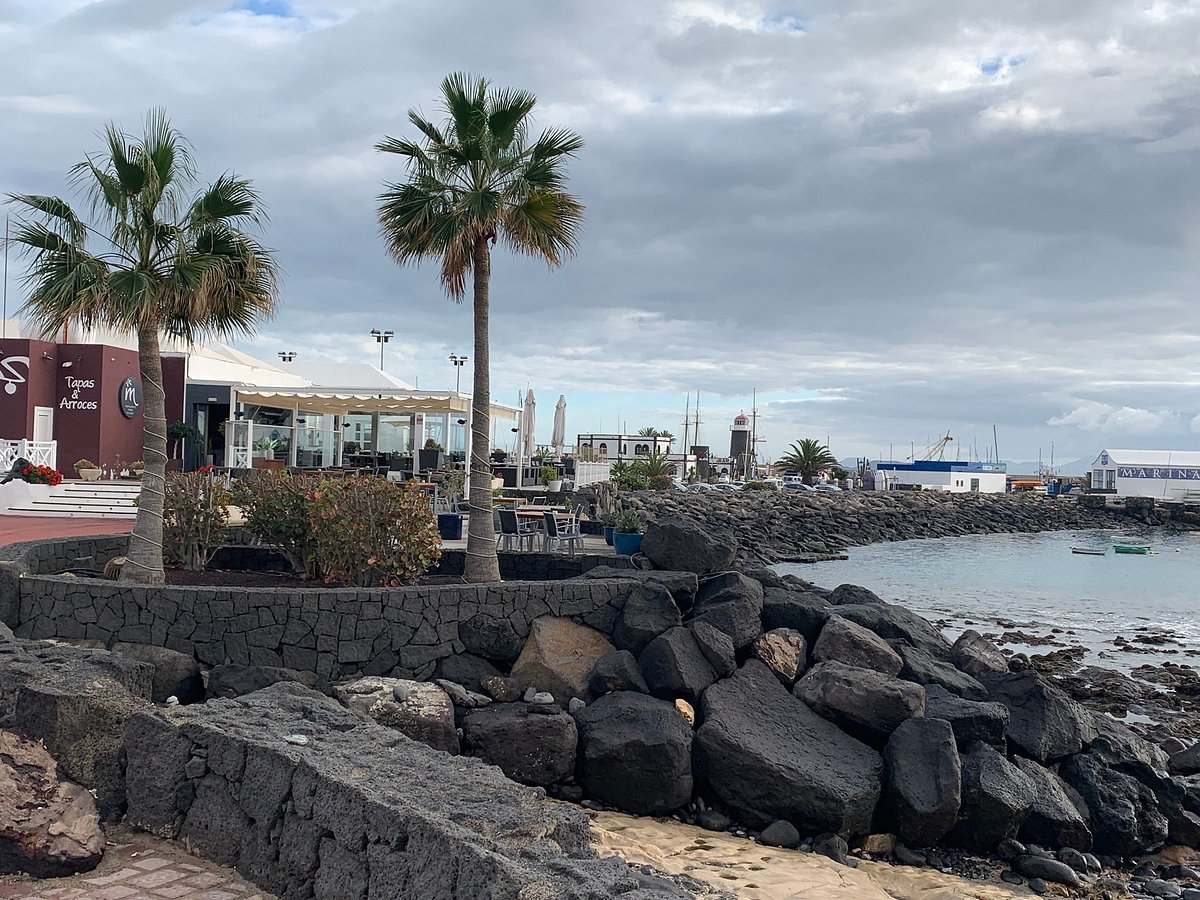
The promenade continues with the path often quite close to the sea and some inviting restaurants on the landward side. We passed the small port and continue past the Playa Flamingo, a newish, possibly artificial, sandy beach with barriers.
 

Now we entered a zone of large hotels, all white and often designed in a Moorish style. The Timafaya Palace hotel below is a typical example.


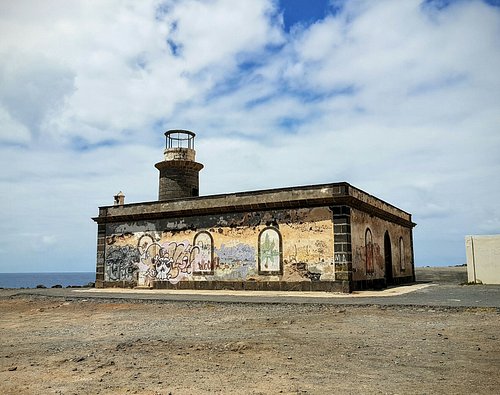
As the Lighthouse became nearer we passed some small cafes. There were fewer people now. It turned out to be further than you might expect, but eventually we reached the impressive Lighthouse tower and and a rather tatty-looking low level structure behind it.

File:Lanzarote Faro de Pechiguera R02.jpg - Wikimedia Commons


Wednesday, 8 February 2023

Axford and Ramsbury Manor


The first walk of the year with my walking partner, Mervyn. He had kindly developed a circular walk starting to the west of the delightful Wiltshire town of Ramsbury at the rather prosiaic Axbury Pumping Station (marked as S).

We start along the narrow road which followed Sound Bottom and was soon delighted to see my first Snowdrops of the year.

After a while we took a path on the left which led south to reveal a fine vista across the fields and then passed a pleasing red brick house ...

... and along a lane to skirt a rather imposing Georgian (or more probably Georgian-style) house.

We followed the path down to Stichcombe and after crossing the Kennet we had an informative chat with a couple who were clearly very familiar with the area, pointing out to us Little Egrets and other wildlife. 

We passed Cowleaze Cottage and followed the border of Ramsbury Manor Park. According to Wikipedia it belongs to the Capricorn Foundation, a trust which has the task of maintaining the house as a museum and cultural resource for the nation. It dates from the 1680s.

The best views were of the beautiful lake with the House beyond it ...


... and then the gates on the other side of the grounds.


The final section was rather arduous as we had to follow White's Hill for a mile or so. This is the main road from Ramsbury and has no footpath. Fortunately, we made it OK.

Overall, a delightful walk of about 8 miles.